SQL SVDP | E Stream MSC
Smarter SVDP Processing Starts with SQL

Special Voluntary Disclosure Programme (SVDP)

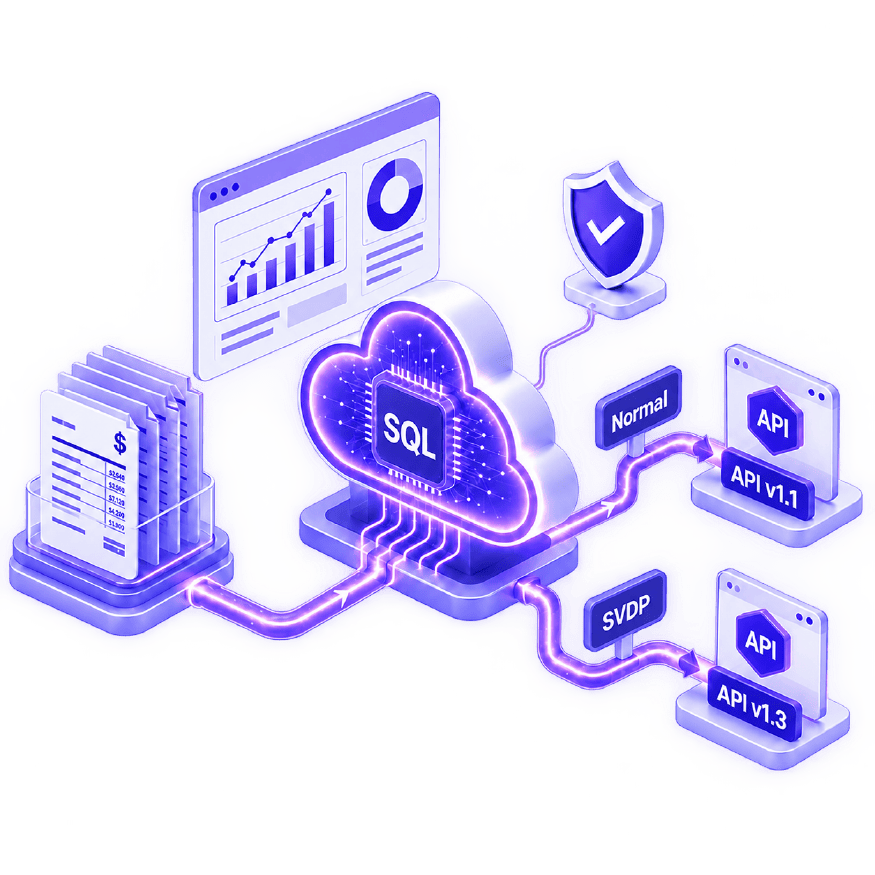
SQL Account simplifies Normal and SVDP e-Invoice processing by automatically identifying the right transaction treatment, applying the appropriate LHDN API version and separating submissions for smoother, more confident compliance.
header-graphic

What is SVDP for E-Invoice in Malaysia?

The e-Invoice Special Voluntary Disclosure Programme (SVDP) allows eligible taxpayers to rectify past e-Invoice matters, including missed, incorrect or non-compliant e-Invoices, subject to LHDN/IRBM requirements, eligibility, terms and conditions.

  SVDP Period: 7 July 2026 – 31 December 2027

Missed Submissions

Missed submitting e-Invoices from the mandatory implementation date

Incorrect E-Invoices

Submitted e-Invoices with errors or non-compliant information

No Submissions

Have not submitted e-Invoices since the mandatory implementation date

Compliance Review

Undergoing or notified of an e-Invoice compliance review

In short, SVDP gives eligible businesses an opportunity to address past e-Invoice submission issues and bring their records back on track.

Why is SVDP Different From a
Normal E-Invoice Submission?

Normal e-Invoice and SVDP transactions may require different submission treatments and different LHDN API versions. Businesses handling both current and backdated transactions need to make sure every transaction is identified correctly before submission.

Normal E-Invoice

Current transaction treatment

SVDP Transaction

Historical / rectification treatment

Users may need to determine

1

Normal E-Invoice or SVDP?

2

Current or backdated?

3

API v1.1 or v1.3?

4

Separate before submission?

When many transactions are processed at the same time, these checks can
quickly become time-consuming.

SQL Account Makes SVDP Submission Much Easier

With SQL Account, users do not need to manually identify and manage every submission treatment themselves. SQL helps automate the process behind the scenes.

Auto Apply the Correct LHDN API Version

Normal E-Invoice → API v1.1
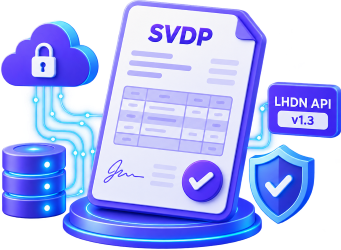
SVDP → API v1.3.
There is no need to manually switch between different submission versions.

Auto Segregate During Batch Submission

Normal and backdated SVDP transactions are automatically separated according to the correct submission treatment. This makes batch processing much simpler, especially when businesses need to handle different transaction types at the same time. You process the transaction. SQL handles the submission logic.

Auto Detect

SQL automatically identifies whether a transaction is a Normal E-Invoice or SVDP transaction. Users do not need to go through transactions one by one just to determine which submission treatment applies.

One System. Smarter SVDP Processing. More Confidence.​

Manage Normal e-Invoice and SVDP transactions together while SQL Account automatically handles the submission logic, correct API version and transaction segregation behind the scenes.

What SVDP Transactions Can SQL Account Support?

SQL Account supports SVDP processing across different e-Invoice transaction types, including:

Consolidated E-invoice

Sales E-Invoice

Imported Goods

Imported Services

Self-Billed E-Invoice

And more . . .

This is especially useful for businesses that need to rectify different types of historical transactions instead of dealing with only one type of e-Invoice.

Whether users are processing normal current transactions, backdated SVDP transactions, or a mixture of both, SQL helps manage the appropriate treatment within the same system.

What Should Businesses Check Before an
SVDP Submission?

Before submitting past e-Invoice transactions under SVDP, businesses should make sure the
transactions are prepared according to the applicable requirements.

01

Use the Correct SVDP Version

SVDP submissions may use SVDP v1.2 or v1.3, depending on the applicable digital signature requirement.

02

Submit Consolidated e-Invoices by Transaction Month

Where consolidated e-Invoices are applicable, submissions should be made according to the relevant transaction month rather than combining multiple months into one lump-sum submission.

Example: if January to April were missed, submit January, February, March and April separately — not as one combined submission.

03

Review the Transaction Type

Different transaction types may require different treatment. Correct classification matters when handling historical e-Invoice matters. Businesses may need to rectify transactions such as:

Sales e-Invoices Consolidated e-Invoices Self-Billed e-Invoices Imported Services Imported Goods

Manage Normal E-Invoice and
SVDP in One System

SVDP gives eligible businesses an opportunity to rectify past e-Invoice submission matters. SQL Account simplifies the operational side by automatically identifying the transaction, applying the appropriate LHDN API version and separating Normal and SVDP transactions during batch submission.

Step 1 icon

Less Manual Checking

Step 2 icon

Less Switching

Step 3 icon

Easier E-Invoice Processing

Make SVDP Processing Easier with SQL Account​

Automate transaction identification, API selection and batch segregation so your team can process e-Invoices more efficiently.

STEP 1: Scan QR Code to pay

SQL

STEP 2: Click here to email payment info

Overview
👋 Hi! Tap to send an enquiry

Contact Us

    This site is protected by reCAPTCHA and the Google Privacy Policy and Terms of Service apply.